

Why Competition Inside BMSG Feels Different
From THE FIRST to THE LAST PIECE, BMSG has built an audition culture where competition does not always feel final.

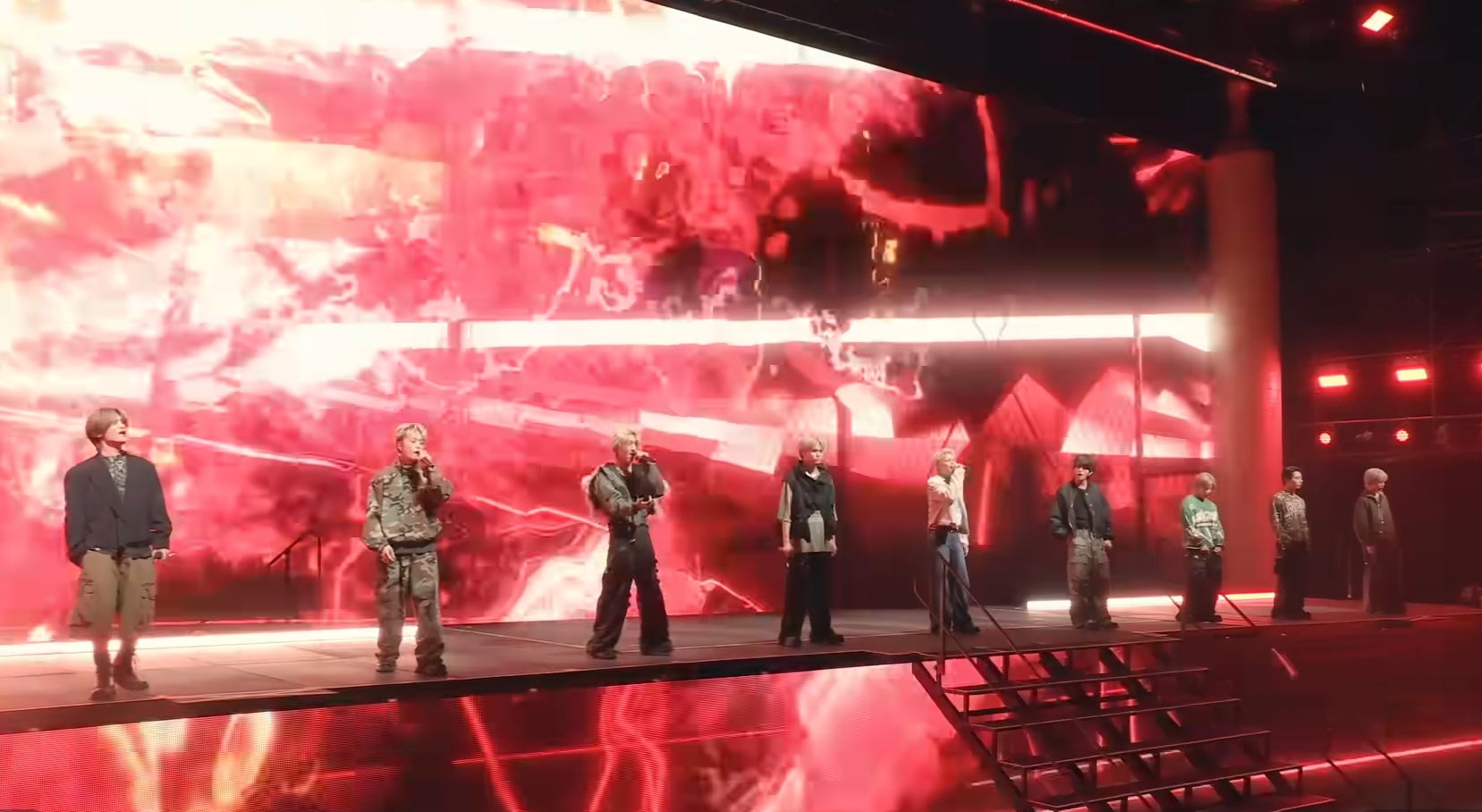
One thing that kept surprising me as I watched BMSG was how different the competition inside the company seemed to feel.
The competition itself is real.
The auditions are real.
The pressure is real.
And yet, the atmosphere often feels strangely less destructive than what I had come to expect from survival-based entertainment.
At first, I could not fully explain why.
Much of BMSG’s history has been shaped through audition projects.
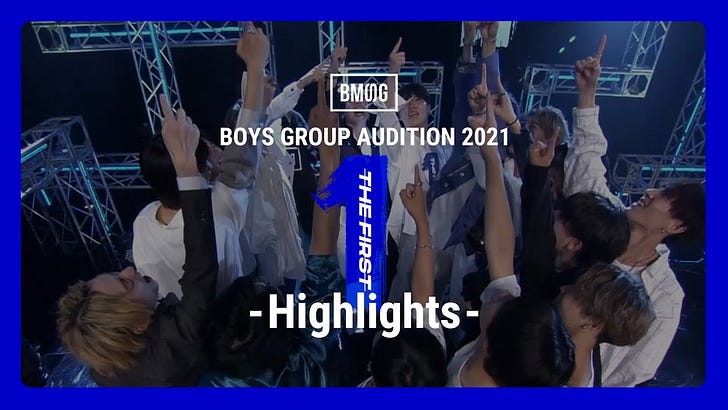
THE FIRST created BE:FIRST.
MISSION x 2 led to MAZZEL.
More recently, THE LAST PIECE introduced STARGLOW.
The competition inside those projects was real, and not everyone made it.
But over time, I began to notice that the structure itself seemed to treat competition somewhat differently.
In many entertainment systems, competition primarily serves as a filter.
Contestants are divided into winners and losers, and once the result is decided, the story often moves on quickly.
BMSG does not completely reject that structure.
However, it often feels less interested in treating a single result as a final judgment on a person’s value or future.
That difference may sound subtle, but I think it changes the emotional atmosphere surrounding the artists — and even the way fans experience the journey itself.
When the Story Does Not End With Elimination
Many examples could be used here, but one that stayed with me was KANON.

Some viewers may remember him from MISSION x 2, the audition program that eventually formed MAZZEL.
KANON made it far into the competition, but did not debut in the final lineup.
In many survival-show structures, that would likely have been the end of the story. The audience moves on, the next project begins, and the contestants who did not debut gradually disappear from view.
But in BMSG, the story did not entirely end there.
KANON later appeared again in THE LAST PIECE, and eventually debuted as part of STARGLOW.
What makes this interesting to me is not simply the “success story” aspect. BMSG rarely frames these moments as dramatic rescue narratives. The atmosphere feels different from that.
Instead, the company often seems to approach talent as something that may continue developing across time, even if the first opportunity was not the right timing or the right place.
The result is that “not debuting” does not always feel identical to “being discarded.”
That creates a very different emotional texture around competition itself.
When Former Competitors Share the Stage Again
One moment that stayed with me came during BMSG Fes 2025.
During a performance of “MISSION,” the theme song from MISSION x 2, KANON appeared onstage alongside MAZZEL after debuting as part of STARGLOW.
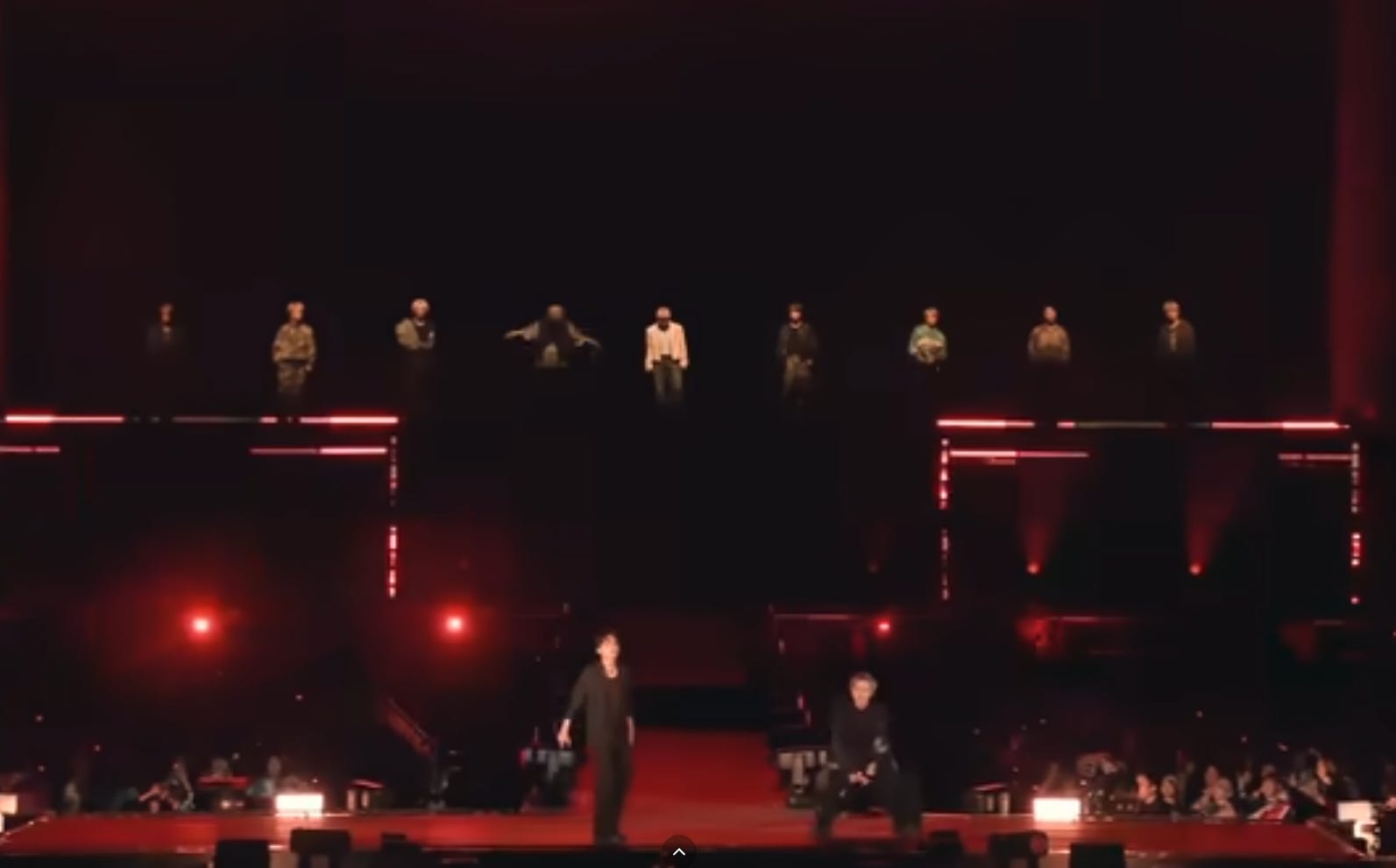
When he stepped into the center position for his part, the audience reacted with a sudden burst of cheers.
It did not feel like people were simply reacting to nostalgia.
To me, it felt closer to witnessing continuity — someone once eliminated from one path now standing on the same stage again as a professional artist.
What made the moment especially striking was that the atmosphere did not feel competitive anymore.
Instead, it felt almost celebratory, as if both the audience and the MAZZEL members themselves were acknowledging how far he had come.
Moments like this make BMSG’s structure feel emotionally different from many survival-based systems.
The auditions still matter.
The tension is still there.
The disappointment is still real.
But the emotional framework surrounding those experiences often feels less final.
Looking back now, many of these ideas were already visible in earlier BMSG auditions.

A Shared History Instead of a Complete Separation
I think this continuity also affects the broader culture surrounding BMSG.
Artists continue crossing paths long after auditions end. Former competitors appear together again on stage, collaborate across groups, and remain connected inside the same creative ecosystem.
BMSG Fes especially makes this visible.

Watching the performances there, I sometimes had the strange feeling that the company was less interested in erasing past competition than in incorporating it into a longer shared history.
Perhaps that also changes the way fans relate to one another.
In many idol or survival-based cultures, competition naturally encourages division: debut team versus non-debut team, winning fandom versus losing fandom.
That dynamic still exists to some extent in every entertainment space.
Yet BMSG often feels slightly different to me.
When artists continue reappearing across projects, years, and stages, it becomes harder to reduce everything to a simple winner-versus-loser structure.
The focus shifts, at least partially, toward growth, timing, compatibility, and long-term development.
In some ways, that perspective may have existed long before THE FIRST itself began.
More Than a System of Elimination
Of course, none of this means BMSG is free from competition.
Nor does it mean the system is perfect.
But the company often seems less interested in deciding who deserves to stay — and more interested in finding where each person’s talent can continue to grow.
And perhaps that is part of why competition inside BMSG feels emotionally different from what many viewers expect.
Written by Lily-K | BMSG Pulse
One thing I really appreciate about BMSG is how they navigate this selection process.
BMSG is really considering the end game and the people.
The end game: a group meant to debut and charge forward.
The people: talented individuals working toward a chance to shine.
Sounds simple, but most shows of a similar format either do one but get sidetracked, or fail to do both. Which breaks my heart.
I've never really liked audition shows in general and I often feel they lead nowhere. It's often more about the story than the talent, and the end product is a mere phase that dies out in a season.
The assumption with these shows is: anyone can debut, now let's see how this plays out.
BMSG's assumption is always: anyone here could debut, so we need to really think about this.
One lets things play out like a pit fight the other tries to incubate talent.
I don't watch audition shows in real time, but watching BMSG's after knowing the groups hits even harder. We know not everyone is going to make it, not everyone is going to get screen time, but we can tell that everyone, the staff, the company, the talents, was working toward that end goal.
If you aren't aware, BMSG recently did a show for their trainees called TRYANGLE. It's not really an audition, more of an internal assessment and challenge. This is a really good example of BMSG's current talent incubating model.