


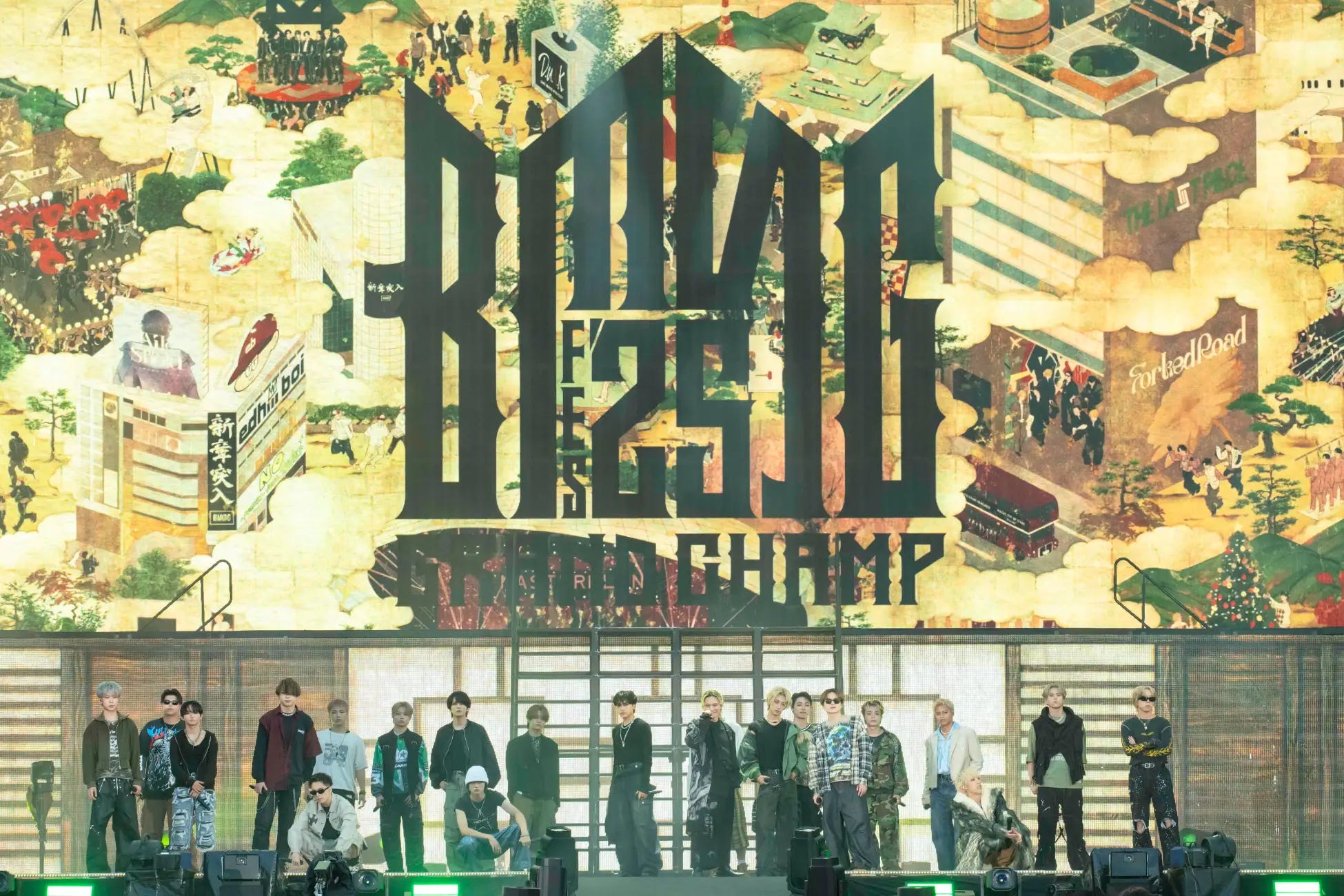
In just a few years, BMSG has become one of the most closely watched new forces in Japan’s music industry.
Founded in 2020 by rapper and producer SKY-HI, the company has rapidly grown from a small independent label into a major presence in Japanese pop culture. Its artists regularly dominate music charts, sell out large venues, and attract international attention through performances that many fans describe as unusually authentic.
The company’s growth has been remarkable not only culturally, but also economically.
According to publicly available financial data, BMSG reported over ¥2.3 billion (approximately $15 million USD) in net profit in the fiscal year ending June 2025 — less than five years after its founding.
For a relatively young music company in Japan, that level of profitability is highly unusual.
Behind that success is a label built around a distinctive idea: that artists should be able to grow creatively while staying true to themselves.
So what exactly is BMSG — and why has it attracted so much attention?
This guide introduces the label, its founder, its artists, and the philosophy that continues to shape its rapid rise.
What Is BMSG?
BMSG is a Japanese music company and label founded in 2020 by the artist and producer SKY-HI.
The name stands for “Be My Self Group.”
The phrase reflects one of the company's central ideas: artists should be able to express themselves authentically rather than being forced into predefined roles.
From the beginning, BMSG positioned itself differently from many traditional talent agencies in Japan. Rather than focusing only on commercial success or strict idol training systems, the label emphasizes:
artistic individuality
long-term development
collaboration among artists
Many observers describe this philosophy as “Artist First.”
In addition to producing music, BMSG organizes tours, festivals, and large-scale audition programs that introduce new artists to the public.
Despite its relatively short history, the company has quickly become one of the most visible independent labels in Japan’s contemporary pop scene.
Who Founded BMSG?
BMSG was founded by SKY-HI, a rapper, producer, and longtime figure in Japanese music.
Before establishing the company, SKY-HI had already built a successful career both as a solo hip-hop artist and as a member of the popular group AAA. Over time, however, he began speaking about structural problems he felt existed within parts of the Japanese music industry.
In particular, he believed that artists often lacked creative freedom and were sometimes treated more as products than as creators.
His response was to build a company designed around a different principle: an environment where artists could develop their talents while maintaining ownership of their creative identity.
If you would like to learn more about SKY-HI’s background and the motivations behind BMSG, you can read the full article here:
Why BMSG Feels Different
For many fans and observers, what makes BMSG interesting is not only its artists but also the culture surrounding the label.
Instead of emphasizing rivalry between performers, BMSG frequently highlights the idea of artists growing together. Collaboration between groups is common, and performances often emphasize collective energy rather than strict hierarchical roles.
This atmosphere becomes particularly visible during events such as BMSG Fes, where artists from different groups share the stage and perform together.
The result often feels closer to a creative community than a conventional entertainment company. This approach reflects a belief often expressed by BMSG founder SKY-HI — that artists should pursue their individuality while supporting one another’s growth.
Another factor behind BMSG’s rise is its unusual relationship with fans.
Many of the label’s groups were introduced through long-form audition programs and documentary-style series that allowed audiences to watch the entire process — from training and setbacks to the final formation of each group.
Rather than simply debuting a finished act, BMSG allowed fans to witness the journey itself.
For a deeper exploration of the philosophy behind this approach, you can read:
How BMSG Differs from the K-Pop Model
As BMSG has gained international attention, some observers have naturally compared it with the global K-pop industry.
There are certain similarities. Like many Korean companies, BMSG places strong emphasis on performance quality, artist training, and carefully produced audition programs that introduce new groups to the public.
Yet the underlying structure is quite different.
Where the K-pop system often relies on large entertainment corporations with highly centralized production pipelines, BMSG operates more like a creator-driven label built around the vision of its founder, SKY-HI.
Artists are encouraged to participate in songwriting, choreography, and creative direction from early in their careers, and collaboration between groups is often emphasized rather than competition.
The result is a system that blends the professionalism of global pop production with a strong emphasis on individual artistic identity.
The Groups of BMSG
Today, BMSG is home to several major groups, each with its own musical identity.
BE:FIRST
BE:FIRST was the first boy group produced by BMSG and quickly became one of the label’s most successful acts.
The group was formed through the audition program THE FIRST, which followed the training and selection process of the members. Known for their strong vocal and dance abilities, BE:FIRST gained national attention soon after debut.

MAZZEL
MAZZEL is the second boy group under BMSG.
Unlike BE:FIRST, the group was not introduced through a major televised audition program.
Instead, their formation was documented primarily through online video content, “Mission × Mission,” which followed the members as they completed creative and performance challenges leading up to their debut.
MAZZEL’s music often blends dynamic choreography with emotional storytelling, and the group has developed a distinctive performance style within the BMSG roster.

HANA
HANA emerged through the audition project No No Girls, produced under the affiliated label B-RAVE.
The project attracted widespread attention in Japan for its unconventional concept and its emphasis on individuality rather than traditional idol criteria.
Even before their official debut, the group had already developed a strong following.

STARGLOW
STARGLOW is one of the newest groups connected to the BMSG ecosystem.
The members gained attention through the audition program THE LAST PIECE, which followed young performers pursuing their dreams of becoming professional artists.
Their debut represents the continued expansion of the BMSG artist community.
The Audition Projects Behind BMSG
Audition programs have played a major role in shaping the identity of BMSG.
Rather than functioning purely as talent searches, these projects often document the growth and struggles of the participants, allowing audiences to witness the process behind the formation of each group.
Several major audition programs have become closely associated with the label.
THE FIRST
BMSG's very first audition program that formed BE:FIRST and introduced many viewers to BMSG’s philosophy.
Mission × Mission
The second audition project that resulted in the formation of MAZZEL, where BMSG trainees and new participants completed a series of challenges together before the group’s debut.
No No Girls
An unconventional project that ultimately created HANA, highlighting individuality and personal stories.
THE LAST PIECE
A later audition series for teenagers showcased new talent and resulted in the formation of STARGLOW.

Together, these programs helped establish BMSG’s reputation as a company focused on development, authenticity, and creative growth.
Although BMSG is still a relatively young company, its influence continues to expand.
Its artists regularly collaborate across groups, appear on stage together, and support one another in ways that fans often describe as unusually genuine.
One of the clearest symbols of that spirit appeared during BMSG Fes, when artists from across the label gathered to perform the song “GRAND CHAMP.”
The performance brought together performers from different groups — not to compete, but to celebrate a shared journey.
Moments like that help explain why many fans feel that BMSG represents something slightly different in Japanese pop music today.
Not just a label.
But a creative community built around the idea that artists can grow — together.
And for many new listeners discovering Japanese music, BMSG has become one of the most interesting places to start.
Written by Lily-K | BMSG Pulse
If you enjoy stories about BMSG and its artists, consider subscribing to BMSG Pulse.
New analysis, features, and guides are published regularly.