

Meet the Artists of BMSG
The voices shaping one of Japan’s most unique music collectives


BMSG is not just a music label.
It’s a space where artists are encouraged to grow, collaborate, and define their own identity — without being forced into a fixed mold.
What makes BMSG especially interesting is the diversity of its artists.
From chart-topping groups to emerging voices, each represents a different facet of the label’s philosophy.
What connects them is not a single sound,
but a shared approach to expression.
1. The Breakthrough: BE:FIRST
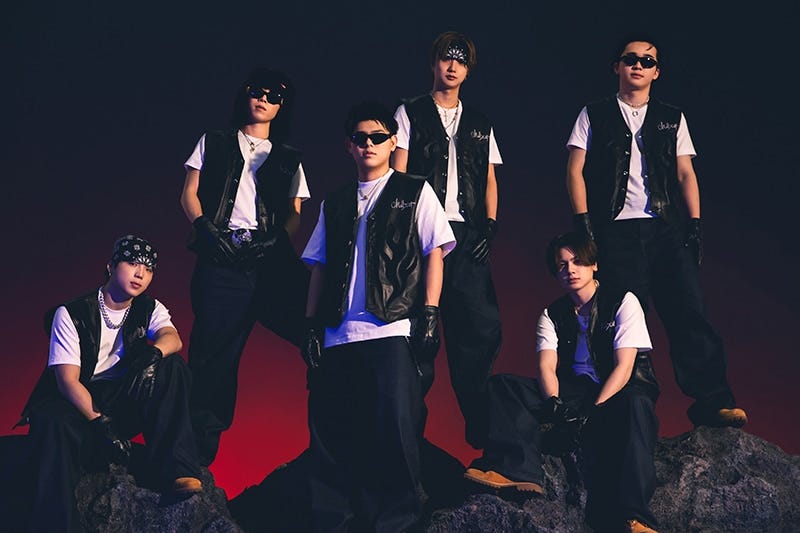
BE:FIRST is, without question, the group that brought BMSG into the mainstream spotlight.
Formed through the audition program THE FIRST, the group quickly drew attention for its level of performance — combining vocal ability, rap, and dance with a rare sense of balance.
But what defines BE:FIRST is not only technical skill.
There is a clarity in how they approach performance —
one that feels intentional rather than constructed, grounded in a consistent sense of identity.
In 2025, the group expanded its presence with a successful world tour, followed by the release of a documentary film, BE:the ONE – START BEYOND DREAMS.
During that period, the group also underwent a structural change, continuing their activities as six members.
What stands out is not the change itself, but the continuity of their performance — maintaining a high level of precision and cohesion despite the shift.
For many listeners, BE:FIRST serves as an entry point into BMSG.
At the same time, their work continues to reflect the label’s broader philosophy:
that performance is not only about execution,
but about expression rooted in self-definition.
If BE:FIRST represents a point of arrival for BMSG,
the groups that follow begin to show how that foundation continues to evolve.
2. The Expanding Groups
MAZZEL

MAZZEL represents a different kind of balance within BMSG.
Formed through the audition program MISSIONx2, the group was built not around a single type of appeal, but around individuality — each member bringing a distinct color, both in style and in presence.
What makes MAZZEL particularly compelling is the contrast they carry.
Off stage, they often come across as approachable, almost disarmingly casual.
But once the performance begins, that atmosphere shifts entirely — revealing a level of precision and control that feels carefully constructed rather than incidental.
Their choreography, in particular, tends to emphasize movement and transformation.
Formations evolve rapidly, almost kaleidoscopic in structure, drawing attention not just to individual skill, but to how those differences interact.
There is also a sense that the group is designed to hold contrast — not resolve it.
Each member carries unexpected range within themselves, and that internal duality becomes part of the group’s overall identity.
This openness extends beyond performance.
In projects like “Only You,” MAZZEL explores themes that are still relatively uncommon within mainstream boy group narratives in Japan, suggesting a willingness to engage with a broader emotional and cultural spectrum.
Rather than fitting into an established mold, MAZZEL feels like a group still in motion —
defined less by a fixed image, and more by its capacity to keep surprising you.
MAZZEL’s performances often balance precision with emotional expression.
For a deeper look at how that dynamic appears in their music, I wrote about their song “Only You” here:

While MAZZEL explores contrast within structure,
the next group reveals how that same philosophy can take on a more personal and emotional dimension.
HANA
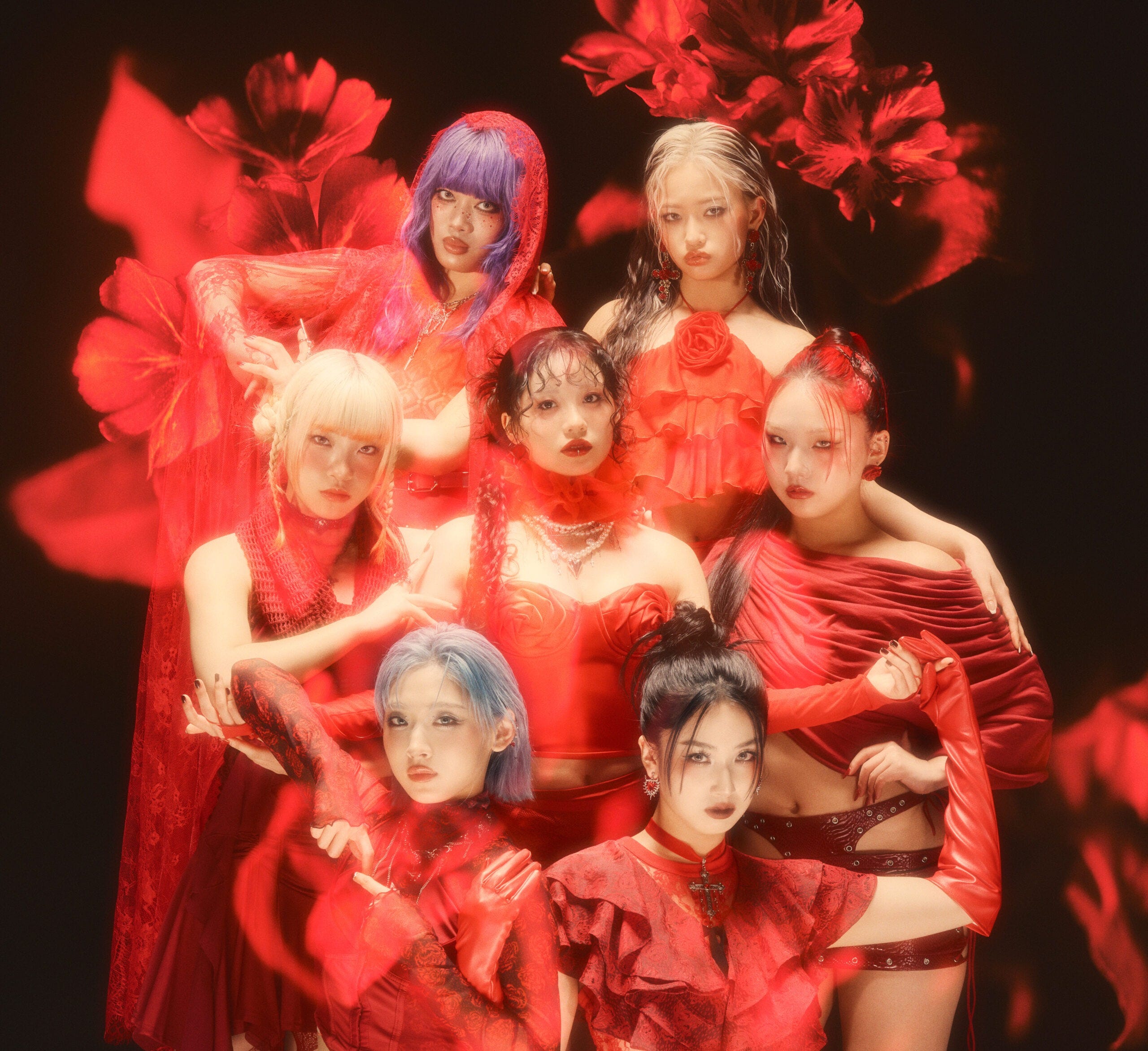
HANA emerged from one of BMSG’s most ambitious projects: No No Girls.
The project itself carried a clear shift in perspective.
Rather than focusing on conventional metrics, it asked a different question —
what happens when you listen to someone’s voice and story first?
In that sense, HANA is not just a group formed through selection,
but one shaped through process.
For many viewers, the journey leading up to their debut became just as significant as the outcome.
The members were seen not only as performers, but as individuals navigating uncertainty, growth, and self-expression in real time.
That experience creates a different kind of connection.
Rather than distant admiration, there is a sense of recognition —
where audiences see parts of their own struggles reflected back at them.
And in watching those moments not being hidden or corrected, but carried forward and transformed,
the group’s story begins to feel quietly affirming.
That shared experience continues to inform how the group is received.
There is a strong sense of emotional proximity —
as if audiences are not simply watching them, but witnessing them.
On stage, however, the impression shifts.
HANA delivers performances with a level of intensity and presence that stands firmly alongside, and at times challenges, expectations often placed on boy groups.
Each member brings a distinct character, yet the group moves with cohesion rather than uniformity.
What also defines HANA is the environment they are part of.
Within BMSG, there is a consistent emphasis on autonomy —
artists are encouraged to shape not only their music, but their image, expression, and creative direction.
That philosophy is visible here.
HANA feels less like a finished concept,
and more like a group you continue to grow with.
For many viewers, that journey creates a sense of recognition — where parts of their own struggles feel reflected back at them.
If HANA reflects the power of being seen and understood in the present,
the next group shifts the perspective forward — toward what is still taking shape.
STARGLOW
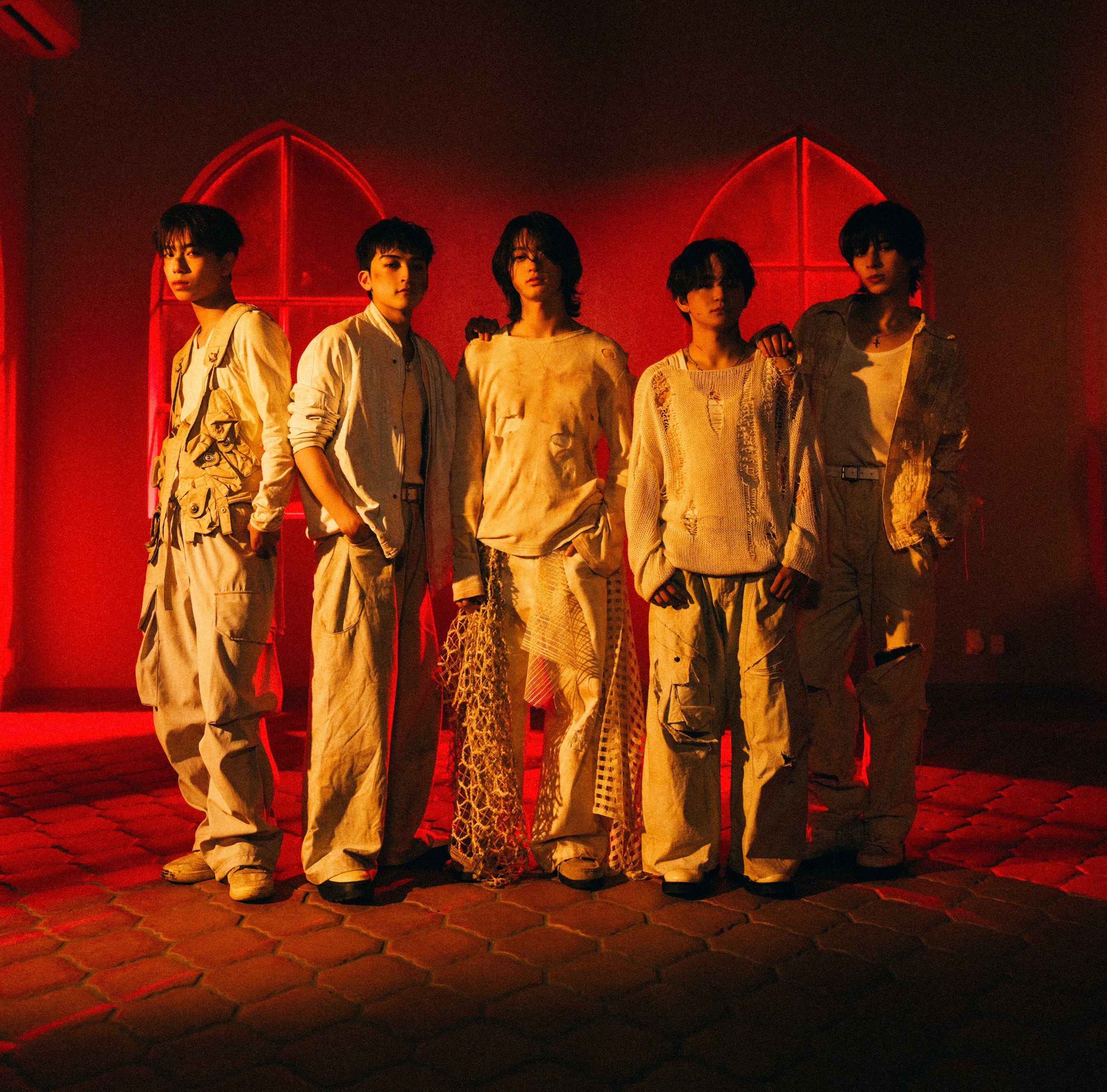
STARGLOW is the newest addition to BMSG — a group formed through the audition project THE LAST PIECE.
It represents a forward-looking dimension of the label, centered on possibility rather than definition.
Framed around the idea of “how to dream,” the project focused on teenagers at a time when imagining a future can often feel uncertain.
It brought together trainees and open applicants on equal footing, creating a space where ambition, doubt, and growth were all part of the process.
In that sense, STARGLOW carries not only the outcome of the audition, but the weight of everything that led up to it.
For some of its members, this moment marks the realization of a long-held goal — one that had remained just out of reach for years.
For others, it represents the beginning of something entirely new.
That mix of timing is part of what defines the group.
Each member brings a sharply distinct presence.
Some lean toward a more raw, grounded expression, while others carry a lighter, more melodic tone — together forming a contrast that feels intentional rather than accidental.
The group’s concept draws on the image of a five-pointed star —
five distinct edges, each with its own shape, coming together to form a single structure.
But more than a finished identity, STARGLOW feels like a point of emergence.
There is a sense that what matters is not yet fully visible —
only the direction.
And that, perhaps, is what makes them compelling to watch.
Together, these groups illustrate how BMSG continues to expand.
At the same time, the label’s identity is equally shaped by its individual artists.
3. The Individual Voices
While the groups highlight collective energy and shared growth,
BMSG’s solo artists offer a different perspective — one that is more introspective, experimental, and deeply personal.
SKY-HI (Founder / Artist)

As the founder of BMSG, SKY-HI is more than just an executive — he is an active artist who continues to create, perform, and push boundaries.
His vision for BMSG is rooted in his own experience in the industry:
a desire to build an environment where artists can truly express themselves.
Novel Core

Novel Core stands out for his lyrical intensity and genre-crossing style.
Blending rap, rock, and pop influences, his music feels both personal and expansive — often reflecting themes of identity, struggle, and self-expression.
Aile The Shota

Aile The Shota brings a smooth, genre-fluid approach that moves effortlessly between R&B, dance, and pop.
His work often feels understated but deeply expressive — prioritizing atmosphere and emotional nuance over intensity.
edhiii boi

edhiii boi represents a new generation of artists.
With a raw, energetic style and a strong sense of individuality, he brings a distinct edge to BMSG’s lineup.
While currently not active, his presence reflects the label’s openness to emerging voices and evolving identities.
REIKO

REIKO’s strength lies in vocal expression.
His performances focus on emotion and tone, offering a contrast to the more performance-driven acts within the label.
New Additions and Emerging Voices
As BMSG continues to evolve, its roster is also expanding in new directions — both through emerging artists and recent additions.
ふみの (Fumino)

Fumino, who was first introduced through No No Girls, has begun establishing her path as a solo artist under B-RAVE.
Her presence carries forward the same spirit that defined the project — an emphasis on voice, individuality, and lived experience over predefined expectations.
Rather than positioning herself through a fixed image, her work feels rooted in a more personal, evolving expression.
Ayumu Imazu

Ayumu Imazu represents a different kind of addition to BMSG.
Already recognized for his global perspective and polished performance style, his arrival signals an expansion of the label’s scope beyond its original roster.
Rather than being shaped within the system, he brings a fully developed artistic identity into it — creating an interesting contrast with the artists who have grown inside BMSG’s ecosystem.
What makes BMSG unique is not just the talent of its artists —
but the way those artists are allowed to exist.
There is no single “BMSG sound.”
Instead, there is a shared philosophy:
growth, autonomy, and respect for individuality.
And that may be exactly why the label continues to resonate — both in Japan and beyond.
Together, they offer a glimpse of what BMSG is trying to build — not just a label, but a space where artists can grow into themselves.
And for listeners discovering BMSG for the first time, these artists are perhaps the best place to begin.
Written by Lily | BMSG Pulse